About the Artist
Mason Bowen Bondi
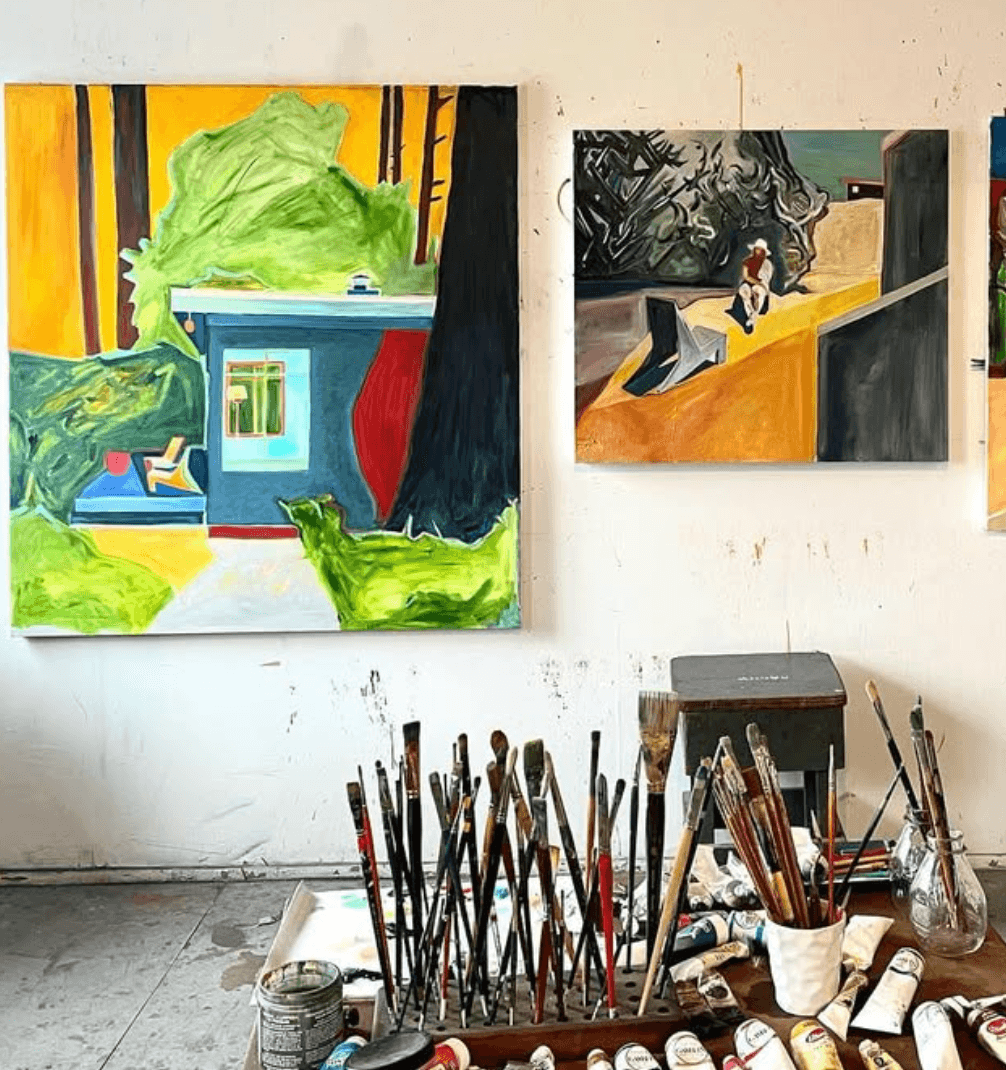
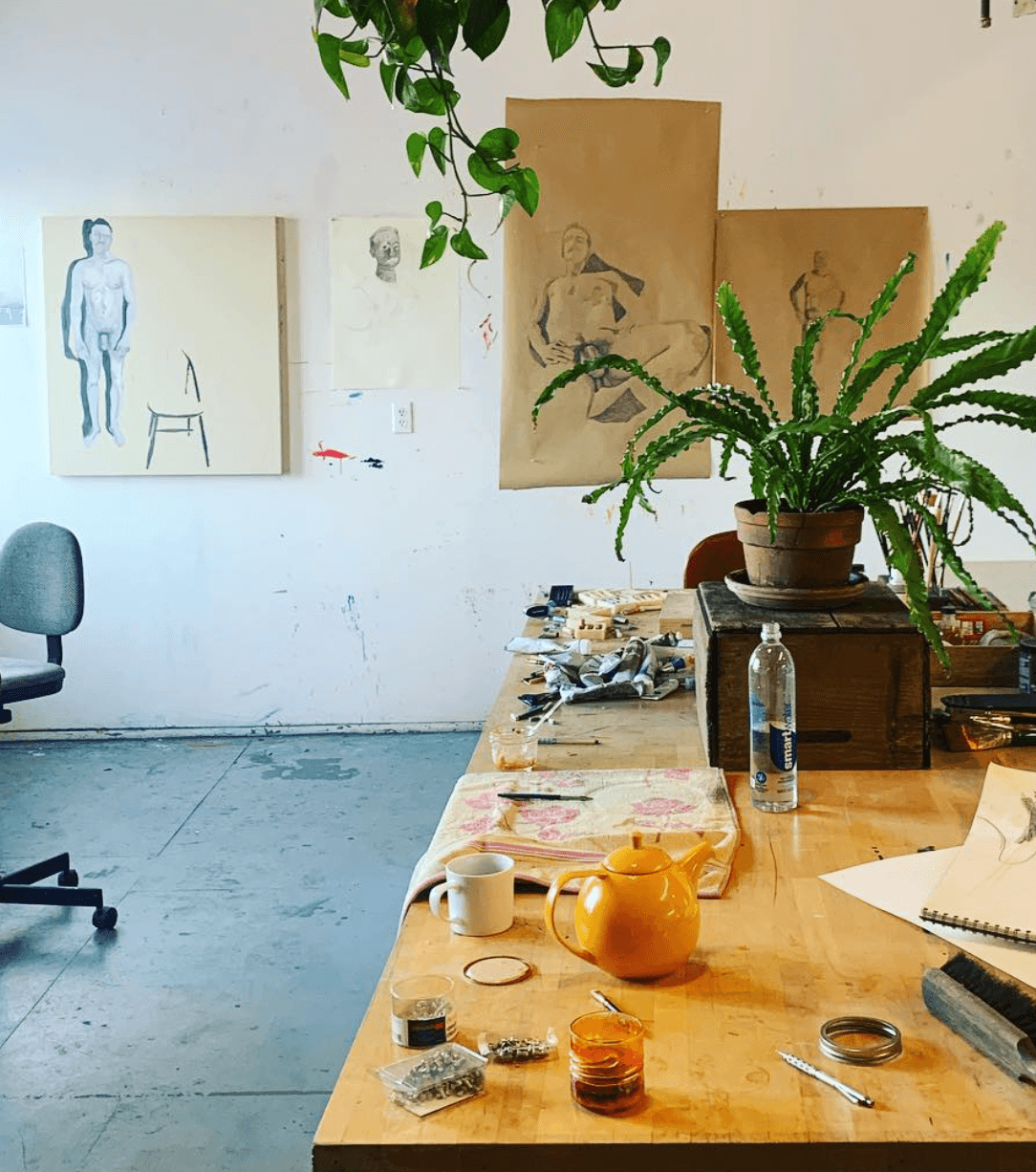
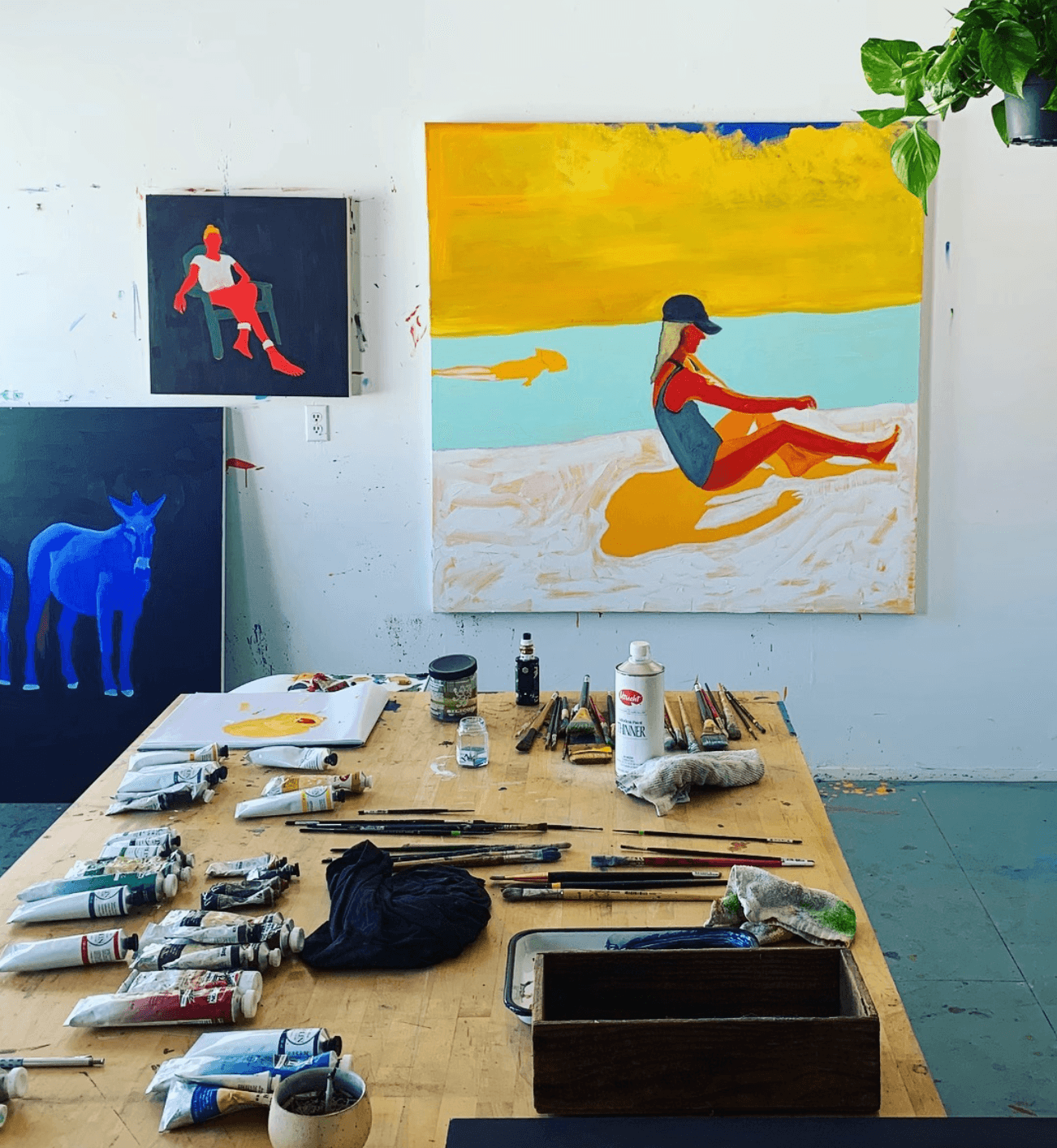
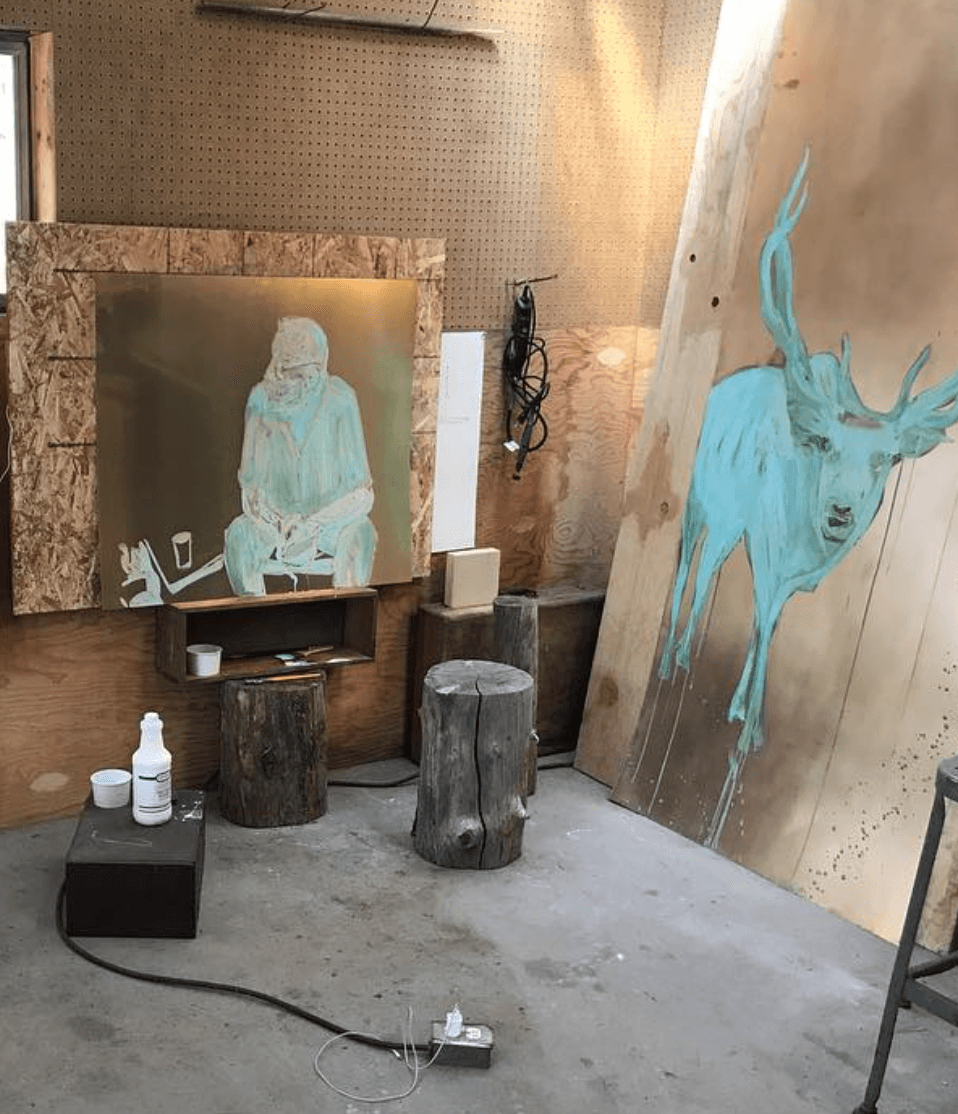
Mason Bowen Bondi traces his creative instinct back to childhood dinner parties — he and his brother were the ones who set the family's old silverware, and he remembers getting swept up in it, moving objects, lighting candles, placing flowers just so. "I remember being totally engrossed and focused," he says. "Now I feel this when painting." His mother, Susan Bondi, is also a painter, and taught him to paint over the phone while he was living in Portland — laying down three colors and dry-brushing them together. "It worked and I was amazed," he says. Her sense of color and simplicity of composition has stayed with him since. Time in Idaho and Montana, and a studio he kept for a while in Richmond, CA, pulled his work toward animals, evening light, and big open space. The people in his life have found their way into the work too — boyfriends, family members, "the familiar set of characters of a certain time," reappearing inside the imagined space of a painting. Early on, Bondi worked hard at representation, trying to make things look the way they do in real life. That's loosened over time. "I let myself choose colors that feel right more than look right," he says — selecting compositions that interest him rather than performing correct perspective. His studio runs on a ritual: enormous worktables he tracks down specifically to be able to make "a giant mess," then resets before he can start — "a cathartic moment," he calls it. He collects Lindt-Stymeist Colorways tableware, an echo of that childhood table-setting memory that started everything.

“Mason Bowen Bondi paints the West as memory — horses and lone figures pulled out of context, like an apparition separated from the landscape. He picks his colors because they feel right, not because they match what's really there.”
The Process
Inside the Studio
The Painting Process
The Painting Process "The table is the most indispensable thing in my studio," Bondi says — he specifically tracked down huge worktables just to be able to make a proper mess before resetting everything and starting to paint. It's a ritual with roots in childhood: he traces his creative instinct back to setting his family's dinner table as a kid, arranging silverware and flowers until the whole room felt considered. That same total absorption — "engrossed and focused" — is what he says he still feels at the easel. His subjects arrive the same way the table used to: selected, arranged, composed until the color feels right rather than accurate.